
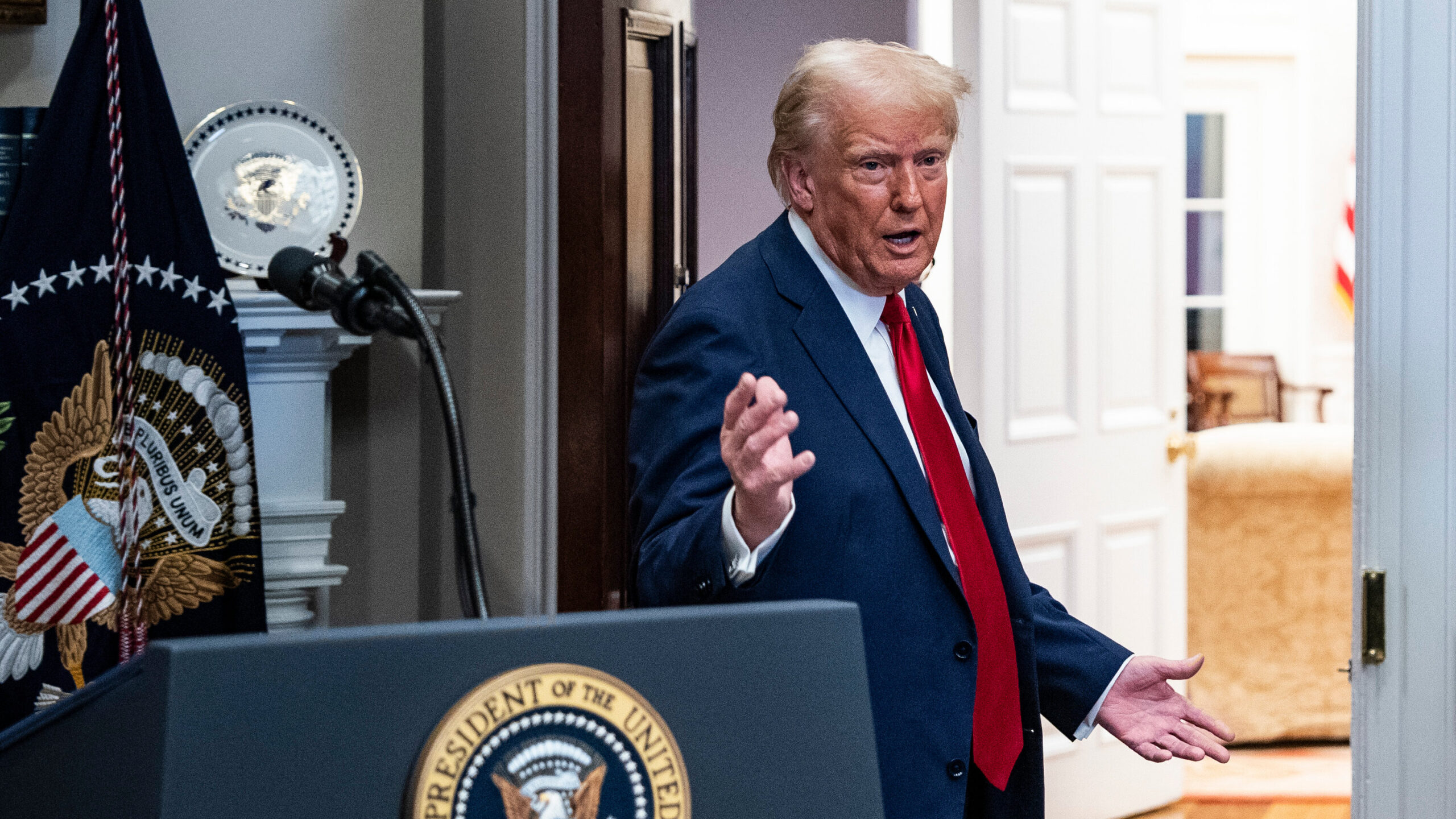
A new wave of political activism has surged across social media and talk-radio circles, with vocal groups urging President Donald J. Trump to take immediate action on two deeply polarizing issues: the influence of foreign-based ideological movements inside the United States and the rise of domestic political organizations they view as threats to national cohesion.
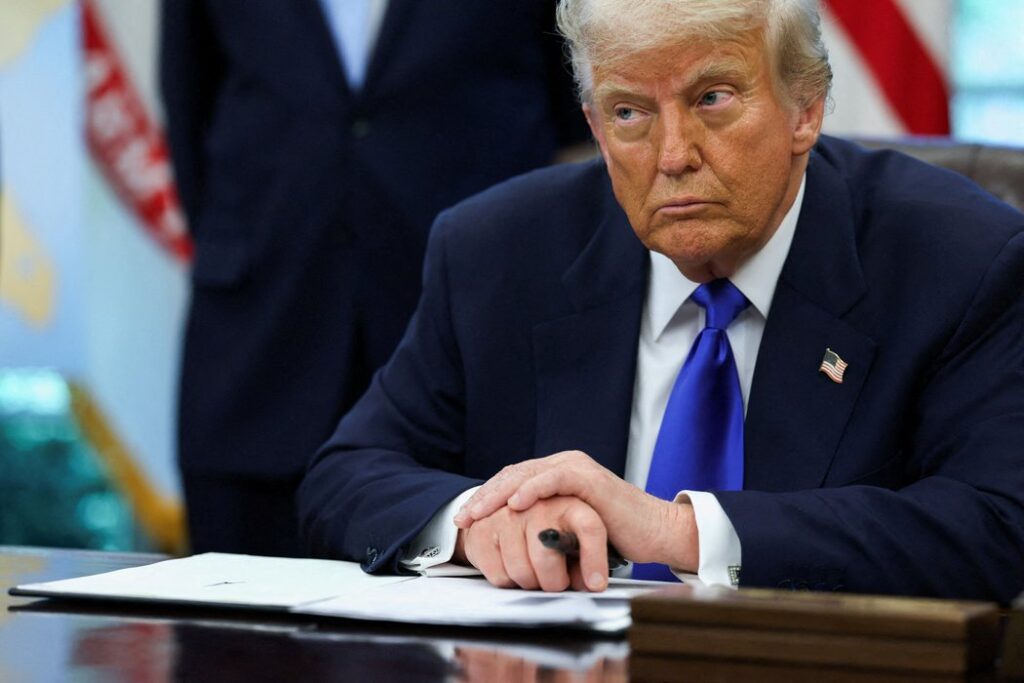
Over the past several months, online communities, conservative commentators, and grassroots coalitions have intensified their calls for the administration to re-examine how the federal government labels and monitors organizations accused of promoting extremist or destabilizing agendas. Supporters argue that the country is facing “an ideological battlefield,” while critics warn that such rhetoric risks blurring the line between safeguarding national security and suppressing legitimate political expression.
Sharia Law Concerns Reignite Debate
One of the central demands gaining traction is a push for the federal government to reaffirm the supremacy of U.S. constitutional law and ensure no form of parallel or religious-based legal system gains standing in American courts.
Activists highlight ongoing debates surrounding “Sharia-influenced arbitration” in certain local civil disputes. While experts note that U.S. courts consistently uphold constitutional primacy, the renewed public concern reflects a broader anxiety about cultural and legal fragmentation.
“People want clarity,” said one analyst. “They want reassurance that the rule of law is not negotiable, no matter the ideology or religion involved.”
National-Security Designations Under Scrutiny
Alongside those concerns, political pressure has intensified around whether certain organizations—both foreign-linked and domestic—should be subjected to stricter national-security evaluations.
The Muslim Brotherhood, a transnational Islamist movement with varying political roles across different countries, has long been the subject of debate within U.S. intelligence and diplomatic circles. Some activists insist the group’s global activities warrant stronger federal scrutiny, while national-security professionals caution that a blanket designation could carry diplomatic and legal complications.
Similarly, critics of the Democratic Socialists of America argue that the organization’s rhetoric and political activism have become increasingly radical and destabilizing. Supporters of DSA, however, counter that the group operates through democratic processes and should not be conflated with extremist movements simply because of its ideology.
Trump at the Center of Rising Public Pressure
As these debates intensify, President Trump finds himself once again in the center of a national-security storm—pressed by supporters who want bold action, while watched closely by opponents who fear government overreach.
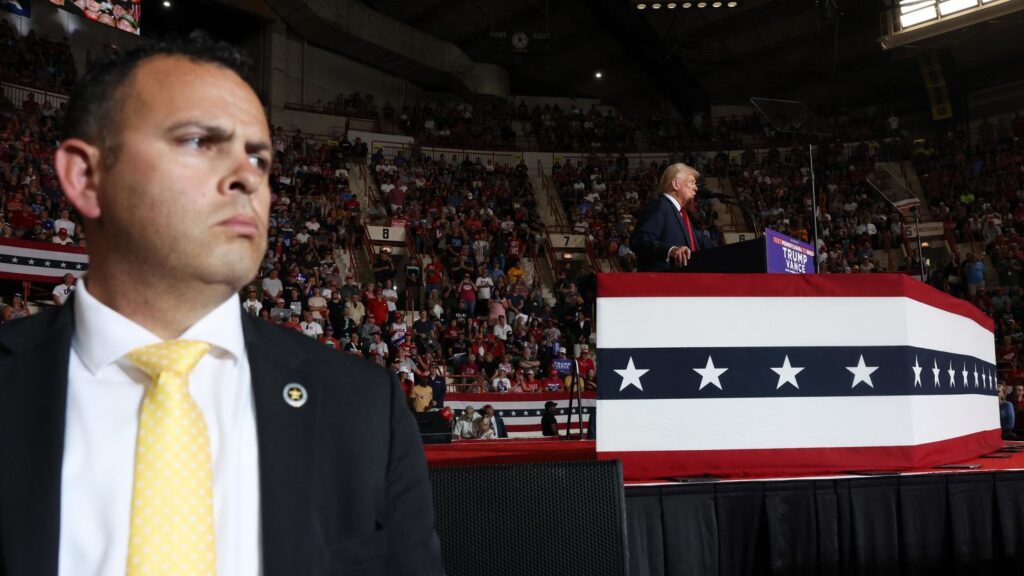
Calls for clear policy direction have grown louder:
- Should the government reassess ideological threats, foreign and domestic?
- Should existing laws be strengthened to prevent any non-constitutional legal doctrine from influencing U.S. courts?
- Where should the line be drawn between extremist activity and political participation?
These are the questions now flooding social networks, activist pages, and political forums.
A Country Demanding Clarity
Whether one agrees with the activists or not, one fact is undeniable: America is entering another era of intense ideological debate. The demand for decisive leadership—paired with equally strong calls for constitutional protections—reflects a nation determined to define its identity, its values, and the boundaries of its security.
As the pressure campaign grows, all eyes are on the administration. Will it take a stronger stance? Will it seek new investigations? Or will it choose a middle path focused on transparency, legal rigor, and due process?
One thing is certain—this conversation is far from over, and the American public is paying attention.
Source: TRT WORLD

