
A fiery political moment erupted today after Representative Jasmine Crockett was confronted live on-air when new reporting from CNN revealed that key Democratic staffers were responsible for redacting portions of recently released Epstein documents — omissions that were later used to frame a misleading, anti-Trump narrative.
The revelation triggered immediate backlash across political circles, sparking accusations of manipulation, selective disclosure, and deliberate political weaponization of the scandal.
CNN Drops the Bombshell
The controversy began when CNN investigative correspondent Marla Reynolds published internal review notes showing that certain names and references in the Epstein files were intentionally blacked out before the documents were circulated to the media and select congressional members.
According to the report, the redactions were not requested by the courts, not required by legal privacy guidelines, and not coordinated with federal investigators — pointing instead to political motivations within a specific committee office.
Crockett Gets Cornered Live
During her afternoon appearance on CNN, Crockett attempted to defend the redactions, arguing they were “procedural” and “intended to prevent confusion.” But the host quickly countered, citing the network’s own reporting showing the edits aligned precisely with talking points used by several Democratic representatives to imply that Donald Trump was more deeply connected to Epstein than the unedited documents supported.
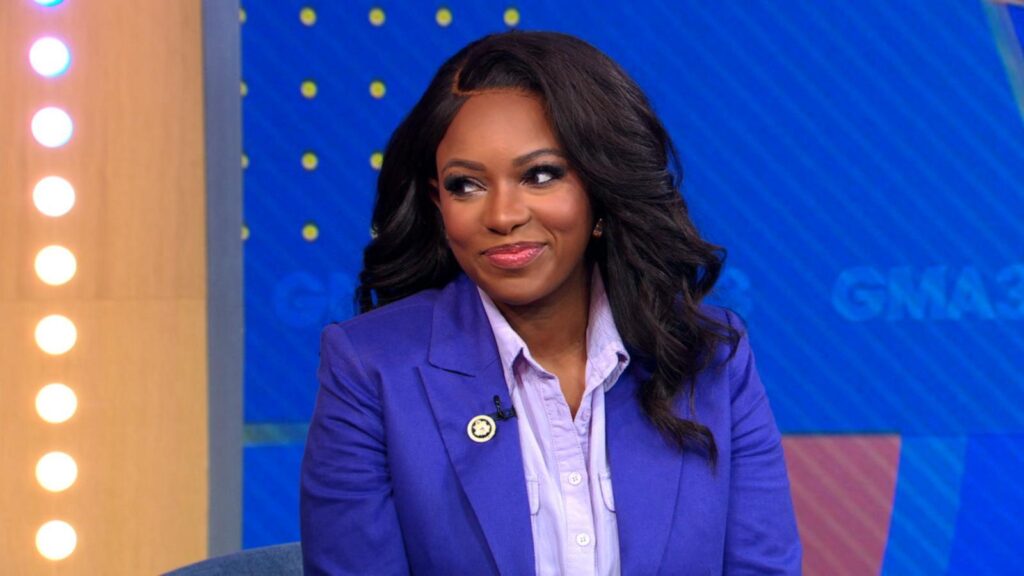
What followed was a tense exchange:
Host: “Congresswoman, the issue isn’t confusion. The issue is that these redactions helped create a false narrative, and your office supported that narrative publicly.”
Crockett: “My office acted in good faith—”
Host: “But the documents did not require redaction. So who authorized it? And why?”
Crockett appeared visibly caught off guard, offering no direct answer as the segment abruptly shifted to commercial break.
Political Fallout Erupts
Within minutes, clips of the exchange went viral on social media. Republicans called for a formal ethics review, while several Democratic aides privately expressed frustration that the situation was “avoidable” and “deeply embarrassing.”
A senior congressional staffer, speaking anonymously, criticized the move:
“Weaponizing the Epstein files for partisan advantage is reckless. If Democrats did this intentionally, it undermines transparency and damages public trust.”
Why the Redactions Matter
The Epstein files have long been a political minefield, with both parties accusing the other of hiding or misrepresenting information. But this is the first time a mainstream outlet has openly accused congressional staff of manipulating the documents themselves.
Legal experts warn that if the redactions were strategic rather than procedural, it could raise ethical — and potentially legal — questions about the mishandling of federal material.
Next Steps: Investigations Likely
House Oversight members are reportedly calling for:
- A review of who handled the documents
- A timeline of the redactions
- Communication logs between committee staff and media outlets
- Public release of the fully unredacted files
Meanwhile, CNN says it will publish additional findings later this week.
The controversy has already reshaped the narrative in Washington — shifting attention away from Trump entirely and toward internal Democratic maneuvering surrounding one of America’s most sensitive scandals.
Source: New York Post

