Why Experts Say This Could Be a Defining Security Crisis
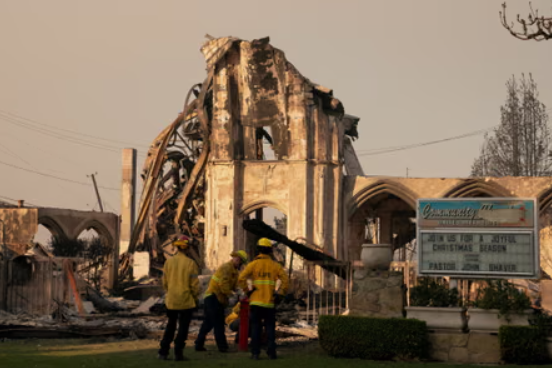
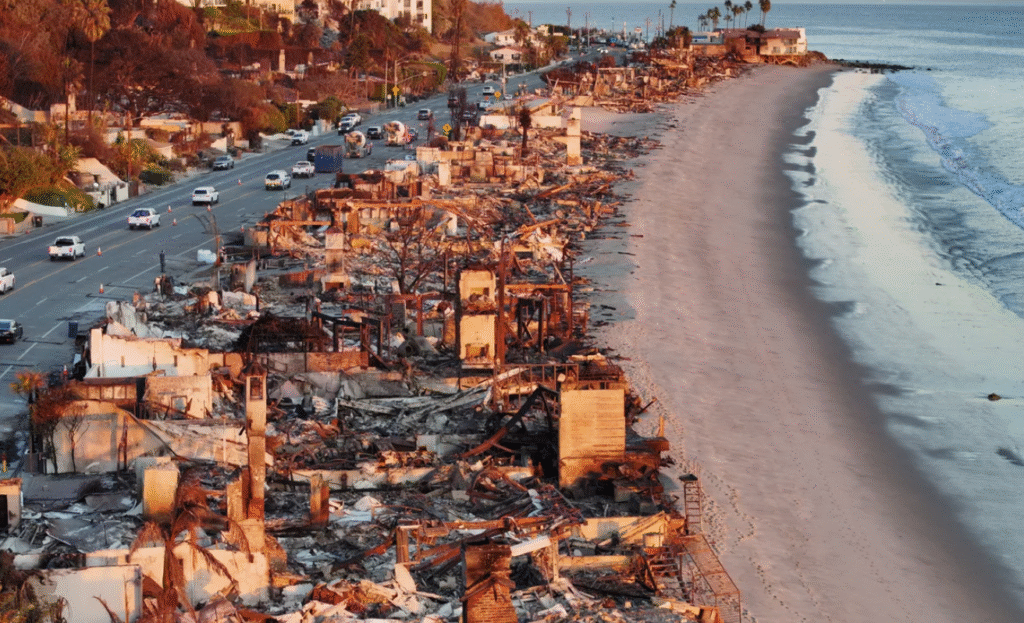
A growing wave of scrutiny is engulfing Los Angeles as investigators reexamine the origins of the devastating wildfire that tore through the region earlier this year. A new bombshell report, released earlier this week, has shaken public confidence and ignited intense speculation — with several officials calling the incident “our Pearl Harbor moment.”
The phrase, used by a senior emergency management advisor, underscores the sweeping concern now spreading through state and federal agencies. What was initially believed to be an accidental fire is increasingly being viewed as a potential man-made catastrophe fueled by a chain of systemic failures.
New Evidence Sparks Urgent Questions About Fire Source
According to the investigative document, previously overlooked data points — including early ignition patterns, conflicting field reports, and gaps in communication logs — may indicate that the blaze did not unfold the way authorities first believed.
Specialists involved in the review say the evidence challenges the official timeline and raises the possibility that the fire’s true origin has yet to be accurately identified.
A senior analyst described the findings as “deeply concerning” and warned that early conclusions may have been prematurely accepted.
Officials Warn of Systemic Failures Behind Disaster
The report points to several operational breakdowns, including:
- Delayed detection alerts
- Inconsistent coordination between state and local agencies
- Malfunctioning monitoring equipment in high-risk zones
Emergency response experts say these vulnerabilities may have allowed the fire to accelerate rapidly across populated areas.
One official noted that failures of this scale — both technological and administrative — signal a much deeper issue.
“This wasn’t just a bad day,” he said. “This was a complete collapse of the safeguards we thought were in place.”
Whistleblower Claims Ignite Federal Interest
Compounding the controversy, a whistleblower from inside a regional emergency operations center claims that several early warnings were ignored or downplayed.
These allegations, now under review, suggest that critical intelligence may never have reached decision-makers in time.
Federal agencies, including the Department of Homeland Security, are reportedly seeking briefings to determine whether the incident reveals a broader national vulnerability.
A ‘Pearl Harbor Moment’: Why Experts Say This Could Be a Defining Crisis
Analysts say the comparison to Pearl Harbor reflects the scale of potential consequences. If the fire was preventable — or worse, linked to deliberate actions — it may trigger sweeping reforms in how the U.S. manages wildfire detection, infrastructure security, and emergency response systems.
Energy grid specialists have also expressed concerns, warning that extreme environmental pressure combined with aging networks could lead to more catastrophic failures if not addressed immediately.
“This should be a turning point,” said one wildfire researcher. “If we don’t treat this like a national security wake-up call, we’re setting ourselves up for something even worse.”
Public Demands Transparency as Investigation Expands
With pressure mounting, California officials are promising full transparency as the expanded investigation moves forward. Civil groups, homeowners, and environmental advocates continue to demand answers — and accountability.
As new findings emerge, the Los Angeles wildfire is rapidly transforming from a natural disaster into a defining test of institutional preparedness. And many say the lessons learned here will shape how the nation confronts future threats.
Source: The Guardian