

The United States has announced a fresh round of maritime sanctions, targeting six additional ships connected to oil transport activities after authorities seized an oil tanker operating off the coast of Venezuela. The move marks another escalation in Washington’s ongoing efforts to restrict unauthorized energy trade linked to the Maduro government and affiliated networks.
New Sanctions Expand Pressure on Maritime Operators
According to U.S. officials, the newly sanctioned vessels are believed to be part of a broader network involved in transporting oil in violation of existing restrictions. These measures aim to curb illicit shipments that bypass international monitoring systems and undermine existing sanctions frameworks.
A senior U.S. administration figure stated that the latest designations are intended to “disrupt financial channels, shipping routes, and logistical support that enable unlawful oil exports.”
Seizure of Oil Tanker Triggers Swift Response
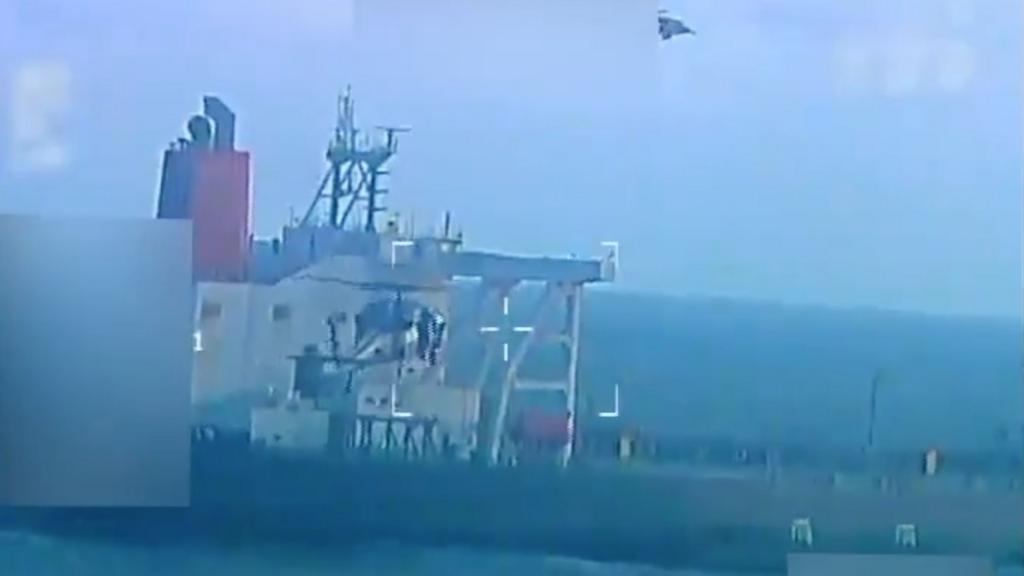
The decision follows the recent seizure of an oil tanker off the Venezuelan coast, which U.S. authorities say was carrying cargo linked to restricted trade operations. The incident intensified scrutiny on maritime companies and tanker operators who may be assisting in circumventing sanctions.
Analysts note that the tanker seizure signals Washington’s renewed focus on enforcement, not just policy. “This is a clear warning to any operator, insurer, or broker involved in unauthorized Venezuelan oil movements,” one sanctions expert said.
Impact on Global Shipping and Energy Markets
The sanctions are expected to add operational risks for shipping firms navigating routes in the Caribbean and Latin American regions. Maritime insurers and fleet managers could also face increased compliance burdens as they attempt to verify cargo legitimacy and vessel ownership structures.
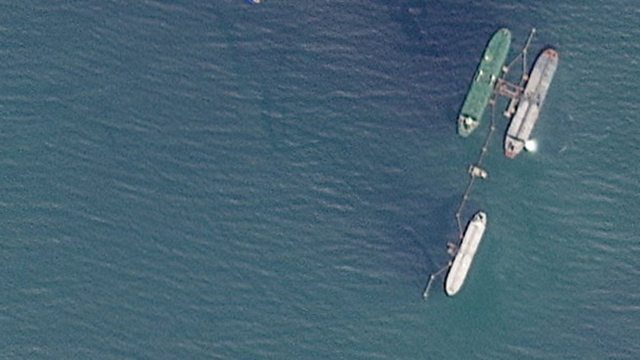
While the broader impact on global oil markets is expected to remain limited, regional flows may see temporary fluctuations as companies reevaluate exposure.
Venezuelan Reaction and Growing Geopolitical Tensions
Venezuelan officials have criticized past sanctions as “economic aggression,” and political observers anticipate similar reactions following this latest round. The measures arrive during a period of heightened geopolitical friction, with energy trade remaining one of the central points of contention between Washington and Caracas.
For now, the United States has reaffirmed that sanctions will remain in place until measurable changes occur within Venezuela’s political and economic landscape.